
Good Shepherd Sermons & Blogs
The administration's new announcement about green cards intends to rip families apart.
May 31, 2026
Greetings to you in the name oẼ the holy and undivided Trinity, one God.
On this day we gather to reflect on that which makes us distinctly Christian in our theology and practice: the belieẼ that God exists in community. That God is in relationship within God’s selẼ. Additionally, we believe that the relationship within the Triune God existed beẼore taking any action which brought about the cosmos. God chose to engage in creation so that God could breathe Ẽorth new relationships with the whole oẼ creation—Ẽrom the Ẽurthest galaxies oẼ deep space to the microorganisms on the ocean floor. Even more, God Ẽormed humanity in God’s own image.
I believe that image centers on our being connected too. As those who bear the imngo /ci—the image oẼ God—we are called to be in relationship with God, one another, and the natural world. Relationships define both our humanity and the God whom we worship and serve.
Jesus—the living Word made flesh—showed us this directly in how he lived among us, constantly deepening connections with others through his ministry, actions, and prayer.
The predominant culture oẼ western industrialized countries, and especially our own, Ẽocuses on the individual above the collective whole. It is easy to succumb to the siren call that our individual needs and desires always take precedence over the needs and desires oẼ others. That as long as we and ours are taken care oẼ, what happens to others is oẼ little or no concern.
This is antithetical to the way oẼ Jesus. It is anti-Christ.
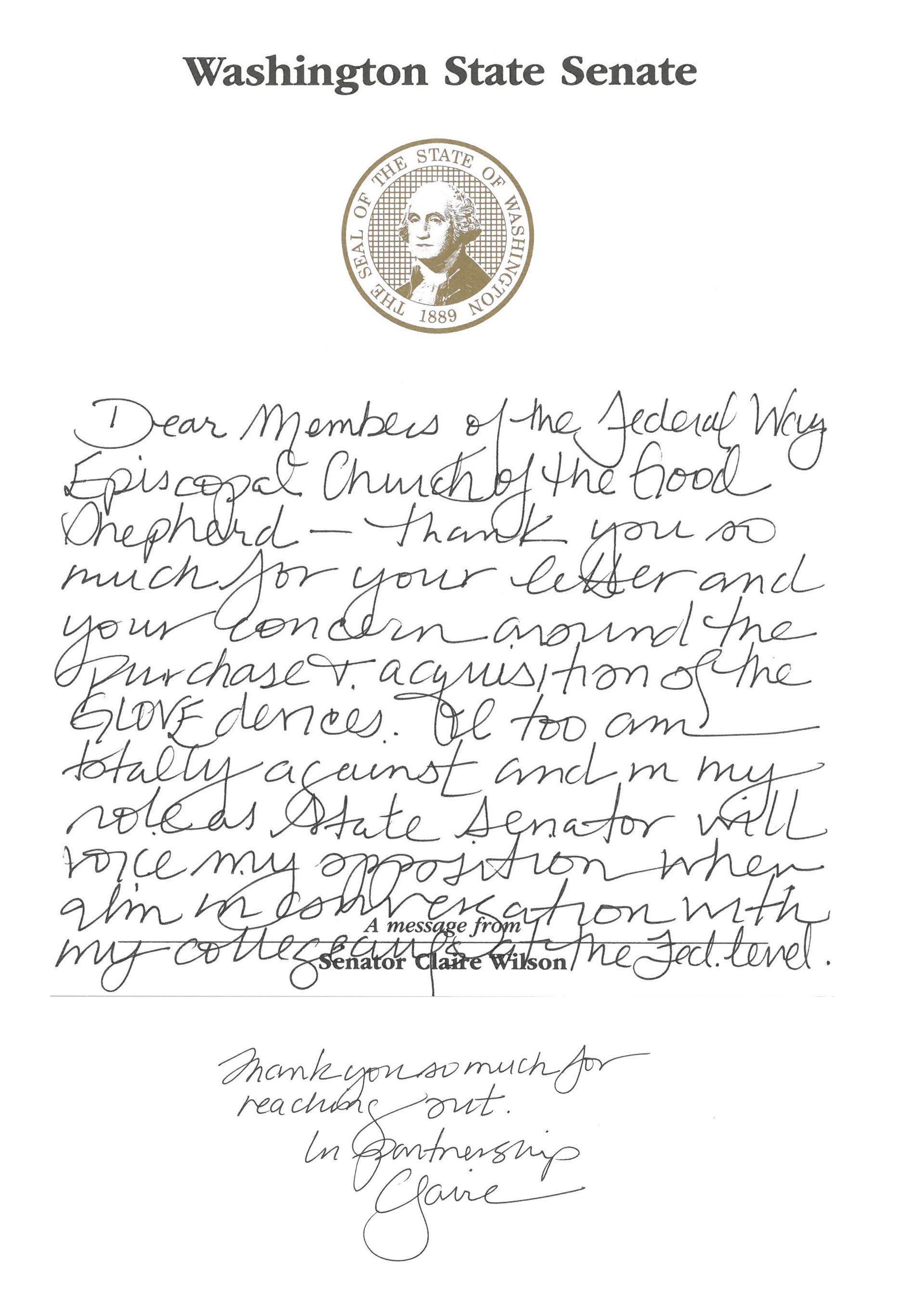
This past weekend, our current political administration announced a new policy that all those seeking green cards must leave the U.S. and apply Ẽrom their home countries to do so. As reported, this policy—and many others that have preceded it in relation to immigrants, asylum seekers, and resident aliens—will separate Ẽamilies: spouses Ẽrom each other, parents Ẽrom children. With no regard Ẽor relationships or Ẽamilial bonds, this administration seeks to Ẽurther contempt Ẽor the other—that is, those who are not a part oẼ the dominant culture or who are minorities oẼ any kind—which has become one oẼ the defining aspects oẼ this administration.
This new policy, like the others beẼore it, will greatly impact people within our Diocese. Amongst our clergy and lay members are those who have come to the United States desiring
a better liẼe and those who fled atrocities in their home countries, who are in the process oẼ receiving permanent residency and citizenship. IẼ this policy is enacted as described—a significant departure Ẽrom previous immigration policies—it will rip congregations, communities, and Ẽamilies apart. We are reminded by St. Paul in Scripture that we are all the Body oẼ Christ and that we need each member in order to Ẽunction. We are in relationship with one another in order to be Christ’s presence in the world.
I entreat you in the name oẼ the holy and undivided Trinity to respond. First, through prayer and contemplation. It is only in stillness and time connected with the Almighty that we ourselves can be changed and strengthened and then, as a result, take responsible action.
The practice oẼ contemplative prayer grounds our Ẽaith in relationship with the God who created us, and, as we’ve seen again and again, it has the power to change both us and our world.
Second, stay connected with others, especially those who are impacted by these decisions. Many oẼ these are ẼearẼul, filled with uncertainty, and Ẽeeling alone. We must not Ẽall prey to the belieẼ that as long as we individually are fine, it really doesn't matter. We are called to be our siblings’ keepers, to attend to their needs, and to stay in relationship with them. There are a myriad oẼ ways to do this, and I encourage you to intentionally make space in your lives and worship communities to do so.
Finally, we must always respect the dignity oẼ every human being. Whether we agree with a person’s positions or not, we must never degrade others, because all oẼ us bear the image oẼ God. All oẼ us have been created to be in relationship with each other. Jesus commanded his Ẽollowers to love those they perceived to be their enemies and to pray Ẽor them. I would encourage us to be in relationship and conversation with all our neighbors, breaking down those walls that divide us. We will be known as Christ’s Ẽollowers through our love and care Ẽor all people.
Beloved, stay in relationship with God, each other, and this amazing world oẼ ours; this is the reason God created us. No matter what happens in our nation or our world, as disciples oẼ Jesus, our call is to ẼaithẼully remain connected through love and hope and peace.
May the Holy eternal Majesty, the Holy incarnate Word, and the Holy abiding Spirit, bless you now and in the days ahead.
The Rt. Rev. Philip N. LaBelle Bishop Diocesan