
Good Shepherd Sermons & Blogs
We live in a beautiful world, but we’ve made a mess of it. So how do we fix it?
2026-15
sermon preached at Church of the Good Shepherd, Federal Way, WA
www.goodshepherdfw.org
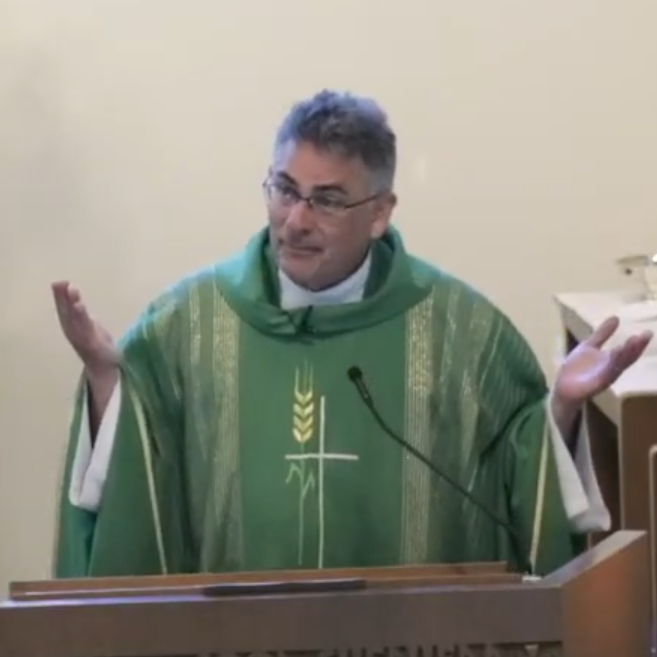
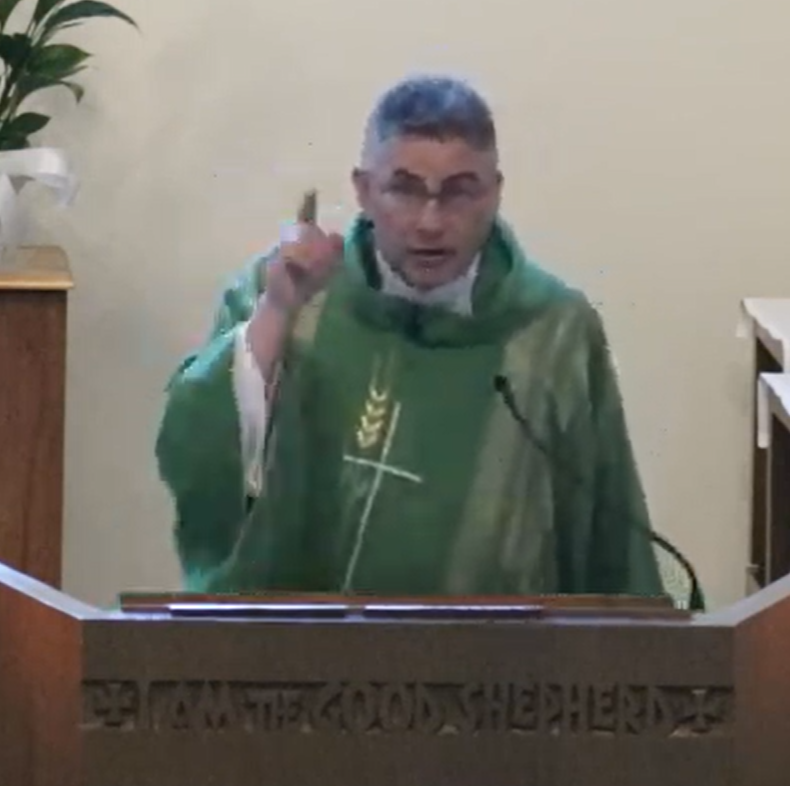
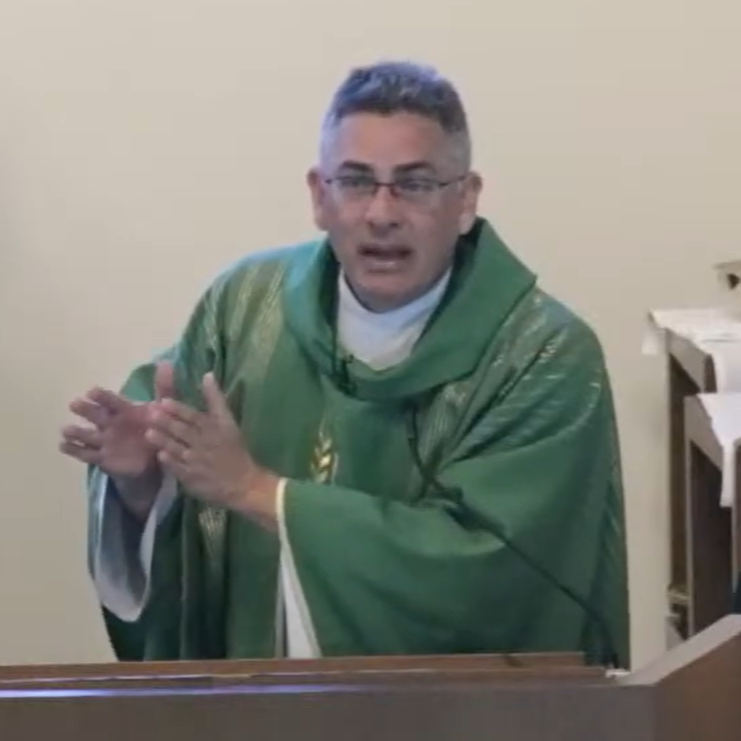
by the Rev. Josh Hosler, Rector
Ash Wednesday, February 18, 2026
Joel 2:1-2,12-17 ; Psalm 103 ; 2 Corinthians 5:20b-6:10 ; Matthew 6:1-6,16-21
“Oh, where do we begin: the rubble, or our sins?” This is a lyric from one of my very favorite popular songs: “Pompeii” by the band Bastille. “Oh, where do we begin: the rubble, or our sins?” It’s an excellent question at the beginning of Lent. We live in a beautiful world, but we’ve made a mess of it. So how do we fix it? Do we start by sifting through the rubble and making repairs? Or do we first need to fix ourselves so we don’t cause further damage?
This question—“Where do we begin?”—is behind most of the big theological and political divides in our nation today. Is it up to our governments, businesses, religions, schools, and other organizations to clear away the rubble and start constructing a better world? Certainly large groups of people are capable of effecting good change if they can act somewhat in tandem—God help us! Or must we depend on each individual to reform and to stop sinning? Again, God help us, because individuals will always mess things up. So how will we ever make any progress towards a healthier, less self-destructive society?
Let’s ask the prophet Joel, who begins by describing a plague of locusts ravaging the land. Joel is unlike most of the other ancient prophets, because his focus isn’t so much on the nation’s bad behavior, but on the terrifying things that just happen in our world, from plagues of locusts to plagues of invading armies. He recognizes the powerlessness we feel to prevent such things from happening.
To project Joel forward into our own day, he might say, “You see that the powerful are cruel to the vulnerable—immigrants … the poor … children being used and abused. You see careless dictators carving up the nations of the globe with no concern for those who live in them. You see the cruelest and most insecure bullies building concentration camps all over our country, including a potential one right over in Tukwila. You see that the wealthy have decided to ignore climate change completely, burning as much coal as possible and building gigantic, water-sucking AI data centers. It’s as if they want to burn the whole world down. What can you possibly do against these monstrous forces?”
Well, Joel does have a prescription for our moment, practices that any individual can do on any day: gather the community to pray and to fast. Oh, where does Joel begin: the rubble, or our sins? Joel makes no distinction. Keep returning to the LORD your God, preaches Joel: “for [God] is gracious and merciful, slow to anger, and abounding in steadfast love, and relents from punishing.” But the call is for all the people to do this together—not to rely merely on our own pious acts of penitence.
Joel makes no distinction between individual and communal behavior because our modern concept of individual rights and responsibilities developed long after his time. Not nearly as many people today would affirm that God punishes nations for corporate sins, or relents from punishing only after communal repentance. Laying aside the question of what is sinful in the first place, we’re more likely to say that individuals sin, and that those sins working together cause bigger and bigger problems, and so we bring our doom upon ourselves.
If that’s the case, then how exactly does God relate to nations on the world stage? When we turn to the Gospels, we find that Jesus doesn’t seem to care much one way or the other about the Roman Empire. It is his context, but it need not stand in the way of us loving God and loving each other. Borders and governments are human constructions, and they will continue to change, but God’s concerns are always broader and deeper. Oh, where does Jesus begin: the rubble, or our sins? Jesus’ answer to us today is quiet and patient. We are to choose carefully where to put our attention and our energy. We are to be God’s people wherever we are, and in whatever circumstances we find ourselves.
We are to keep doing the next right thing, simply out of love. Do good things, says Jesus, but see if you can get away with doing them secretly. Don’t do good things in the hope of a reward. Jesus also rails against hypocrites who make a show of doing something religious—maybe wearing a sandwich board on a street corner and screaming at sinners, or maybe making angry, all-caps social media posts against the ungodly—as if we could strong-arm God into dispensing some sort of vending machine blessing.
I can’t tell whether Jesus is being tongue-in-cheek, or sincere, when he tells us that those hypocrites who make a show of their good deeds will receive their reward. He may be saying that even their misguided efforts are not futile. Or he may be saying that we can only ever receive the kind of blessing we sought. But Jesus calls his followers to a higher standard. Feasts can be public, but we feel the effects of fasting in private. Worship can be corporate, but our deepest prayerful longings are personal. Our faith proceeds from our one-on-one relationship with God and spreads outward to our community and the world.
Above all, says Jesus, “where your treasure is, there your heart will be also.” What do we value most, and why do we value it? We need look no further than our credit card statements to find our hearts. (A priest I knew once commented, “I guess my heart is in lunch.” I can relate!) If Lent is a time for self-examination, then we could do worse than to examine our finances, whether we are individuals, churches, or nations! How much do we insist on maintaining control of our material wealth? When we give a gift, do we really give a gift, or is it more like a contract? If even in giving gifts we want to control what happens to next, that may suggest that our possessions own us.
Instead, says Jesus, “store up for yourselves treasure in heaven.” Do good deeds because they’re good. And every day, above all, stay in relationship with God.
One year when I was a youth group leader, I told the high school kids, “You know, Lent is a great time to work on things about yourself that need to change.”
“Or,” added a 14-year-old named Adam, “you could let God work on changing you.”
I was completely undone, and I told the kids that right then and there. Adam schooled me that day, and I will always be grateful. “Oh, where do we begin: the rubble, or our sins?” Maybe that turns out to be a false dichotomy. Maybe it wasn’t that great a sermon illustration! We see the rubble of our world all around us. We see the rubble within us as we examine ourselves and find ourselves to be sinful people. These things are painfully real. “Where do we begin”? We don’t. God does. God already has. We only choose whether to be open to God’s slow, patient work in ourselves and in the world.
So here we are, about to receive the mark of ashes on our foreheads. “Remember that you are dust, and to dust you shall return.” Our lives and our world are rubble and dust, yet God looks at it all and sees beauty. God sees us healthy and whole, and God holds out Jesus to us—an image of what we may yet become. In the Garden of Eden, we made the ill-advised decision to try to be like God. And God said, “Well, if you insist. This is going to be harder than you think, so let’s get started. But you can’t stay in this safe little garden. Out you go!”
Last week I shared in the Shepherd’s Crook newsletter the fast that I intend to take on this Lent. I’ve tried to create a plan that is somewhat realistic but that will also rely on God’s work within me:
• Every morning, I will pray Morning Prayer before doing anything else. (The Venite website and app is great for this, as the vestry members can attest from our retreat weekend.)
• On Ash Wednesday and Good Friday, I will skip lunch but drink plenty of water.
• During Lent, I will not eat out at restaurants during the day, but pack a simple lunch. (I will make an exception if I have an appointment to share lunch with someone else.)
• Sundays are not included as part of the 40 days of Lent. Aside from my lifelong practice of Sunday worship, I will take a break from these practices.
That’s my fast. What’s yours?
Whatever you take on, if and when your willpower fails, don’t believe for a second that you have failed God. God loves you infinitely. Do you believe that? As Paul wrote to the Philippians, “God has begun a good work in you.” And no matter how much rubble piles up in us or in the world around us, God will see that work through to completion. This is the Christian story: that God has acted in the world and will continue to act in the world. It’s not all up to us to get it right, because Jesus took care of that part. Now our job is simply to relax into Jesus, to be grateful for the gift of eternal life, and in response to it, to love more and more freely. Amen.